





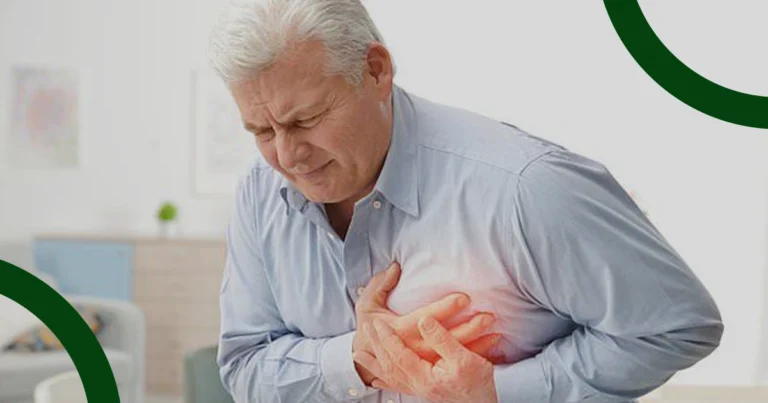
Supporting heart health involves more than relying on one herb, supplement, or dietary change. A balanced diet, regular physical activity, healthy stress management, adequate sleep, and appropriate medical care all contribute to cardiovascular wellness.
Wendy’s Wellness also recognize the traditional role of herbs such as hawthorn, motherwort, and cayenne in herbal wellness practices. These herbs have histories of use for heart and circulatory support, but traditional use should not be confused with proven treatment for cardiovascular disease.
If you have a diagnosed heart condition or take prescription medication, speak with a qualified healthcare professional before introducing herbal products or making significant changes to your wellness routine.
What Supports Heart Health Naturally?
Natural heart health support begins with everyday habits that contribute to the health of your heart and blood vessels. Nutrition, physical activity, blood pressure management, sleep, stress management, and avoiding tobacco are more important than relying on a single supplement or herb.
| Heart Health Factor | Why It Matters | Practical Focus |
| Blood Pressure | Persistently high blood pressure can place additional strain on the cardiovascular system. | Know your numbers and follow appropriate healthcare guidance. |
| Nutrition | Dietary patterns can influence several cardiovascular risk factors. | Focus on vegetables, fruits, whole grains, legumes, fiber, and appropriate healthy fats. |
| Physical Activity | Regular movement supports cardiovascular fitness and overall health. | Choose appropriate and sustainable physical activity. |
| Cholesterol | Cholesterol levels are one part of overall cardiovascular risk. | Use diet, lifestyle, and medical management when needed. |
| Stress | Ongoing stress can affect sleep, behavior, and cardiovascular responses. | Develop healthy ways to manage daily stress. |
| Sleep | Consistent sleep is an important part of overall health. | Maintain a regular sleep routine. |
| Tobacco | Tobacco use is a major cardiovascular risk factor. | Avoid smoking and other tobacco exposure. |
These factors work together, which is why heart wellness should be approached as a complete lifestyle rather than through one isolated remedy.
Diet and Heart Health
A heart-supportive eating pattern emphasizes nutritious foods while limiting dietary habits associated with poor cardiovascular health.
A balanced diet can include:
- Vegetables and fruits
- Whole grains
- Beans and legumes
- Fiber-rich foods
- Nuts and seeds where appropriate
- Sources of unsaturated fats
- Appropriate sources of protein
It is also important to pay attention to sodium and highly processed foods.
Rather than looking for one “heart-healing food,” focus on the overall quality and consistency of your diet. Individual nutritional needs can differ, especially for people managing high blood pressure, diabetes, kidney disease, or an existing cardiovascular condition.
Physical Activity and Cardiovascular Wellness
Regular physical activity is another important part of supporting cardiovascular health. Walking and other appropriate forms of movement can contribute to cardiovascular fitness, metabolic health, and overall well-being.
The right amount and intensity of activity depend on your age, current health, mobility, and medical history.
People who already have cardiovascular disease, experience concerning symptoms, or have been advised to restrict physical activity should seek professional guidance before beginning a new exercise routine.
The goal is consistency, not pushing the body beyond what is appropriate.
Stress, Faith and Emotional Well-Being
At Wendy’s Wellness, faith is an important part of our approach to whole-person wellness.
The Bible repeatedly encourages trust in God during times of fear and uncertainty. Prayer, faith, reflection, and spiritual community can be meaningful parts of emotional and spiritual well-being.
Stress should also be considered from a health perspective. Chronic stress may influence sleep, eating habits, physical activity, and other behaviors associated with cardiovascular wellness.
Helpful stress-management practices may include:
- Prayer and spiritual reflection
- Regular physical activity
- Spending time outdoors
- Maintaining healthy sleep habits
- Relaxation techniques
- Talking with supportive friends and family
- Seeking professional help when stress becomes difficult to manage
Faith can remain an important part of a wellness routine while medical concerns are addressed through appropriate healthcare.
Herbs Traditionally Used for Heart and Circulatory Support
Herbal traditions have long included plants associated with the heart, blood vessels, and circulation.
Among the herbs commonly discussed in traditional cardiovascular herbalism are hawthorn, motherwort, and cayenne.
However, an herb’s history of traditional use does not establish that it can prevent, reverse, or cure heart disease. Research differs considerably between herbs, preparations, doses, and health conditions.
Hawthorn and Heart Health
Hawthorn belongs to the Crataegus genus and has a long history of traditional use in connection with cardiovascular wellness.
Different parts of the hawthorn plant, including its berries, leaves, and flowers, have been used in herbal preparations.
Hawthorn contains naturally occurring plant compounds, including flavonoids and procyanidins, that have attracted scientific interest. Researchers have investigated standardized hawthorn preparations for possible cardiovascular effects, but findings should not be generalized to every hawthorn product or every heart condition.
Hawthorn should not be described as something that can “repair” a damaged heart, clear blocked arteries, or replace prescribed cardiovascular treatment.
People with cardiovascular disease or those taking heart or blood-pressure medication should discuss hawthorn products with an appropriate healthcare professional before using them.
Motherwort and Traditional Cardiovascular Use
Motherwort (Leonurus cardiaca) is a member of the mint family and has a history of use in traditional European herbalism.
Its traditional uses have included associations with the heart, emotional tension, and nervous-system wellness.
That traditional history is useful context, but claims that motherwort can grow new capillaries around the heart, repair heart tissue, or treat serious cardiovascular conditions should not be presented as established medical facts.
More research is needed to understand its potential effects and appropriate clinical applications.
As with other herbs, people taking prescription medication should discuss motherwort with a qualified healthcare professional before use.
Cayenne and Circulation
Cayenne pepper comes from Capsicum plants and contains capsaicin, the compound responsible for its characteristic heat.
Cayenne has traditionally been associated with circulation and digestive wellness, and capsaicin has been studied for several biological effects.
However, it is misleading to say that cayenne automatically “normalizes circulation from head to toe” or repairs blood vessels.
Cayenne can be part of food and traditional herbal practices, but concentrated preparations should not be considered substitutes for cardiovascular treatment.
What About Myrrh?
Myrrh has an important historical and biblical connection and has been used in different traditional herbal practices.
It is also meaningful within Wendy’s faith-based herbal tradition. However, its relationship with cardiovascular wellness is less direct than herbs such as hawthorn.
For that reason, myrrh should not be presented as a primary treatment for heart disease or as an herb proven to repair cardiovascular damage.
What Does Research Say About Herbs for Heart Health?
When discussing herbal remedies, it is important to distinguish three different concepts.
Traditional Use
Traditional use describes how an herb has historically been used within a particular herbal or cultural practice.
It provides valuable historical context but does not by itself prove that the herb treats a medical condition.
Scientific Research
Researchers may investigate an herb, individual plant compounds, extracts, or standardized preparations.
Results from laboratory, animal, observational, or small human studies do not always mean the same results will occur with every commercial herbal product.
Established Medical Evidence
Treatments recommended for cardiovascular disease generally require stronger evidence regarding effectiveness, safety, dosage, interactions, and appropriate patient populations.
Herbal wellness and evidence-based cardiovascular care therefore should not be treated as interchangeable concepts.
Can Heart Herbs Interact With Medications?
Yes. Herbal products and supplements can interact with prescription medications, which is particularly important when cardiovascular drugs are involved.
Extra caution may be necessary for people taking:
- Blood-pressure medications
- Anticoagulants
- Antiplatelet medications
- Heart-rhythm medications
- Nitrates
- Other cardiovascular medicines
The exact interaction depends on the herb, preparation, dose, medication, and individual.
If you have cardiovascular disease or take prescription medicine, discuss herbal products with your physician, pharmacist, or another appropriately qualified healthcare professional before using them.
Building a Heart-Supportive Wellness Routine
A practical heart-wellness routine should focus on sustainable habits rather than promises of a quick fix.
Consider these core areas:
- Eat a balanced diet. Build meals around nutrient-dense whole foods appropriate for your individual needs.
- Stay physically active. Choose regular movement appropriate for your health and ability.
- Know important health numbers. Blood pressure, cholesterol, and blood glucose can provide important health information.
- Prioritize sleep. Create a consistent routine that supports adequate rest.
- Manage stress. Incorporate healthy emotional, social, and spiritual practices.
- Avoid tobacco. Smoking and tobacco exposure can substantially affect cardiovascular health.
- Use herbs thoughtfully. Consider evidence, product quality, medications, and individual health conditions.
- Maintain appropriate medical care. Natural wellness practices should complement not replace necessary healthcare.
Readers interested in Wendy’s herbal approach can explore our circulatory system herbal products or learn about available natural wellness consultation options for more individualized wellness discussions.
When Heart Symptoms Need Medical Attention
Heart symptoms should not be self-treated with herbs.
Seek prompt medical attention for concerning symptoms such as:
- Chest pain, pressure, or tightness
- Significant difficulty breathing
- Fainting or loss of consciousness
- Sudden severe weakness
- New or concerning heart palpitations
- Symptoms that appear suddenly or become severe
For a suspected medical emergency, seek emergency medical care rather than waiting for an herbal product or home remedy to work.
Wendy’s Approach to Natural Heart Wellness
Wendy’s Wellness approaches health from a Christian, whole-person perspective that considers nutrition, lifestyle, traditional herbal practices, emotional well-being, and faith.
Wendy Creel is a Master Herbalist and Naturopath with decades of experience studying herbs and natural wellness. Her approach includes herbal education alongside prayer and faith-based wellness practices.
This perspective is intended to support education and wellness not diagnose, treat, cure, or replace appropriate medical care for cardiovascular disease.
Those interested in learning more about Wendy, her background, and her approach can visit the About Wendy’s Wellness.
Final Thoughts
Supporting heart health is not about finding one herb capable of “repairing” the heart. Cardiovascular wellness involves nutrition, physical activity, sleep, stress management, healthy lifestyle choices, appropriate medical monitoring, and attention to individual risk factors.
Hawthorn, motherwort, cayenne, and other plants have histories within traditional herbal practice, but traditional use and established medical treatment are not the same.
At Wendy’s Wellness, herbal education can remain part of a broader faith-based wellness approach while recognizing the importance of evidence, medication safety, and appropriate professional medical care.